Story of Lohri
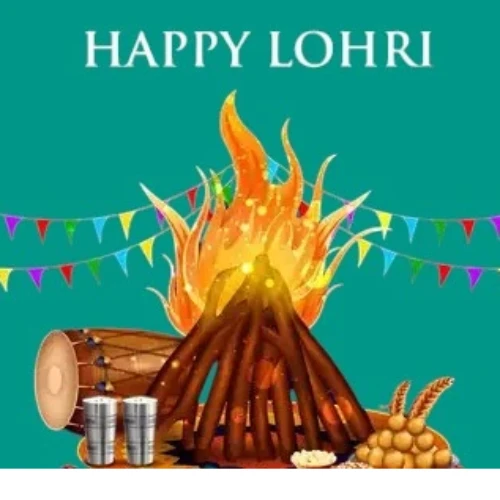
Lohri is a vibrant harvest festival celebrated primarily in Punjab and North India. The festival marks the end of the winter solstice and is deeply rooted in agrarian traditions. Lohri is associated with the legend of Dulla Bhatti, a heroic figure who stood against tyranny and saved girls from abduction. The bonfire, central to Lohri celebrations, symbolizes warmth, prosperity, and the harvest season. People sing traditional folk songs in praise of Dulla Bhatti, thanking him for his bravery and generosity.
Importance of Lohri
Lohri holds immense cultural and social significance. It marks the harvesting of sugarcane and other crops, heralding a season of prosperity for farmers. The festival also symbolizes the victory of light over darkness, as it follows the longest night of the year. Families come together to celebrate, strengthening bonds and fostering unity. For newlyweds and newborns, Lohri holds special importance, as it marks a new beginning and brings blessings for a bright future.
Methods of Celebrating Lohri
Lighting the Bonfire
The bonfire is the heart of Lohri celebrations. Families and communities gather around it, offering sesame seeds, jaggery, and popcorn as a token of gratitude to nature. The flames are believed to carry prayers for abundance and happiness.
Traditional Folk Songs and Dance
Singing and dancing are integral to Lohri. People sing Punjabi folk songs and perform the traditional Bhangra and Gidda around the bonfire. The music reflects the joy of the harvest season and communal spirit.
Festive Foods
Lohri is incomplete without delicious food. Festive delicacies like makki di roti, sarson da saag, til laddoo, and gajak are enjoyed with family and friends. These dishes are prepared with freshly harvested ingredients, adding to the festive joy.
Upcoming Lohri date
- 14 January 2027, Thursday