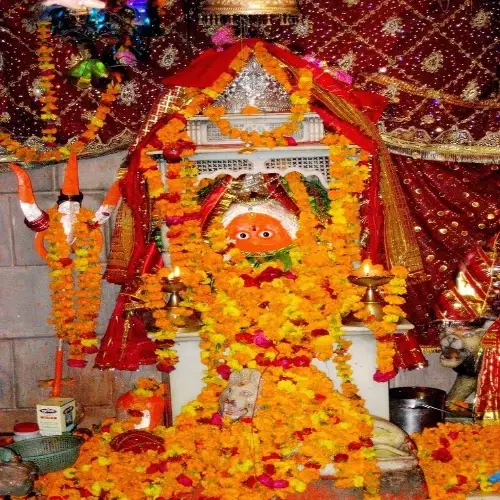
The Chandi Kavach is considered a highly significant hymn in the worship of the Goddess. It is recited while invoking the protective aspect of Goddess Chandi, Mother Durga, and Adishakti. Devotees traditionally recite the Chandi Kavach to seek protection against fear, adversity, negativity, and various types of obstacles.
The Chandi Kavach is also associated with the recitation tradition of the Devi Mahatmya (Durga Saptashati). It is recited with special significance during occasions such as Navaratri, Durga Puja, and other forms of Goddess worship (Sadhana).
Religious Belief: The benefits of the Chandi Kavach are linked to faith and traditional spiritual practice. They should not be regarded as a scientific cure or a guaranteed remedy for any illness, mental health issue, or other specific situation.
Significance of the Chandi Kavach
Chandi represents that powerful form of the Goddess who destroys unrighteousness (Adharma) and demonic forces, thereby protecting righteousness (Dharma) and her devotees. In the Chandi Kavach, prayers are offered for the protection of various parts of the body and all directions by invoking the different forms of the Goddess.
The core essence of the Kavach is a prayer for Mother Bhagavati to protect the devotee's body, mind, family, and life from all directions.
In the worship of the Goddess, the recitation of the Kavach is performed specifically:
To foster self-confidence and courage
To cultivate a sense of freedom from fear
For spiritual support during times of crisis
To seek the Goddess's grace and protection
During Navaratri and special rituals dedicated to the Goddess
...is performed.
॥ Shri Chandi Kavacham ॥
Original Sanskrit Text of the Chandi Kavach
om namaschandikaye.
markandeya uvach.
yadguhyam paramam loke sarvarakshakaram nrunam.
yann kasyachidakhyatam tanme bruhi pitamah ॥1॥
bramovach.
asti guhyatamam vipra sarvabhutopakarakam.
devyastu kavacham punyam tacchhanushva mahamune ॥2॥
prathamam shailputri ch dvitiyam bramacharini.
trutiyam chandraghanteti kooshmandeti chaturthakam ॥3॥
panchamam skandamateti shashtham kaatyayani tatha.
saptamam kalaratriti mahagauriti chashtamam ॥4॥
navamam siddhidam proktam navadurgah prakirtitah.
uktanyetani namani bramanaiv mahatmana ॥5॥
agnina dahyamanastu shatrumadhye gato rane.
vishame durgame chaiv bhayaartah sharanam gatah ॥6॥
na tesham jayate kinchidashubham ranasankate.
napadam tasya pashyami shokaduhkhabhayam na hi ॥7॥
yaistu bhaktya smruta nunam tesham vruddhi: prajayate.
ye tvaam smaranti deveshi rakshase tann sanshayah ॥8॥
pretasanstha tu chaamunda varahi mahishasana.
aindri gajasamarudha vaishnavi garudasana ॥9॥
maheshvari vrusharudha kaumari shikhivahana.
lakshmih padmasana devi padmahasta haripriya ॥10॥
shvetarupdhara devi ishvari vrushavahana.
brahmi hansasamarudha sarvabharanabhushita ॥11॥
ityeta matarah sarvaah sarvayogasamanvitah.
nanabharanashobhadhya nanaratnopashobhitah ॥12॥
drshyante rathamarudha devyah krodhasamakulah.
shankham chakram gadam shaktim halam ch musalayudham ॥13॥
khetakam tomaram chaiv parashum pashamev ch.
kuntayudham trishulam ch sharngamayudhamuttamam ॥14॥
daityanashartham devanambhayay ch.
dharayantyayudhanittham devanam ch yathayudham ॥15॥
namaste̕stu maharaudre mahaghorparakrame.
mahabale mahotsahe mahabhayavinashini ॥16॥
trahi maam devi dusprekshye shatrunam bhayavardhini.
prachyam rakshatu maamaindri aagneyyamagnidevta ॥17॥
dakshine̕vatu varahi nairrutyam khadgadharini.
pratichyam varuni rakshedvayavyam mrugavahini ॥18॥
udichyam patu kaumari aishanyam shuladharini.
urdhvam bramani me rakshedadhastaadvaishnavi tatha ॥19॥
evam dash disho rakshechamunda shavavahana.
jaya me chagratah patu vijaya patu prushthatah ॥20॥
ajita vaamparshve tu dakshine chaparajita.
shikham me dyotini raksheduma murdhni vyavasthita ॥21॥
maladhari lalate ch bhruvau rakshedyashasvini.
trinetra ch bhruvormadhye yamaghanta ch nasike ॥22॥
shankhini chakshushormadhye shrotrayordvaravasini.
kapolau kalika rakshetkarnamule tu shankari ॥23॥
nasikayam sugandha ch uttaroshthe ch charchika.
adhare chaamrutakala jihvayam ch sarasvati ॥24॥
dantan rakshatu kaumari kanthadeshe tu chandika.
ghantikam chitraghanta ch mahamaya ch taluke ॥25॥
kamakshi chibukam rakshedvacham me sarvamangla.
grivayam bhadrakali ch prushthavanshe dhanurdhari ॥26॥
nilagrivaa baheeahkanthe nalikam nalkubari.
skandhayoh khadgini rakshedbahu me vajradharini ॥27॥
hastayordandini rakshedambika changulishu ch.
nakhaanchhuleshvari rakshetkukshau rakshetkuleshvari ॥28॥
stanau rakshenmahadevi manahshokvinashini.
hridaye lalita devi udare shuladharini ॥29॥
nabhou ch kamini rakshedguhyam guhyeshvari tatha.
putna kamika meidhram gude mahishavahini ॥30॥
katyam bhagavati rakshejjanuni vindhyavasini.
janghe mahabala rakshetsarvakamapradayini ॥31॥
gulphayornarasinhi ch padaprushthe tu taijasi.
padangulishu shri rakshetpadadhastalvasini ॥32॥
nakhan danshtrakaraali ch keshanshchaivordhvakeshini.
romkupeshu kauberi tvacham vagishvari tatha ॥33॥
raktamajjavasamansanyasthimedansi parvati.
antrani kalaratrisch pittam ch mukuteshvari ॥34॥
padmavati padmakoshe kaphe chudamanistatha.
jvalamukhi nakhajvalambhedya sarvasandhishu ॥35॥
shukram bramani me rakshechayam chhatreshvari tatha.
ahankaram mano budhim rakshenme dharmadharini ॥36॥
pranaapanau tatha vyanamudanam ch samanakam.
vajrahasta ch me rakshetpranam kalyanashobhana ॥37॥
rase rupe ch gandhe ch shabde sparshe ch yogini.
sattvam rajastamaschaiv rakshennarayani sada ॥38॥
aayu rakshatu varahi dharmam rakshatu parvati.
yashah kirtim ch lakshmim ch sada rakshatu vaishnavi ॥39॥
gotramindrani me rakshetpashun rakshech chandika.
putran rakshenmahalakshmirbharyam rakshatu bhairavi ॥40॥
dhaneshvari dhanam rakshetkaumari kanyakam tatha.
panthanam supatha rakshenmargam kshemakari tatha ॥41॥
rajdvare mahalakshmirvijaya sarvatah sthita.
rakshaahinam tu yatsthanam varjitam kavachen tu ॥42॥
tatsarvam raksh me devi jayanti papanashini.
padamekam na gachettu yadicchhecchhubhamatmanah ॥43॥
kavachenavruto nityam yatra yatraiv gachati.
tatra tatraarthalabhasch vijayah sarvakamikah ॥44॥
yam yam chintayate kamam tam tam prapnoti nischitam.
paramaishvaryamatulam prapsyate bhutale puman ॥45॥
nirbhayo jayate martyah sangrameshvaparajitah.
trailokye tu bhavetpujyah kavachenavrutah puman ॥46॥
idam tu devyah kavacham devanamapi durlabham.
yah pathetprayato nityam trisandhyam shraddhayanvitah ॥47॥
daivi kala bhavettasya trailokyeshvaparajitah.
jivedvarshashatam sagramapamrutyuvivarjitah ॥48॥
nashyanti vyadhayah sarve lutavisphotakaadayah.
sthavaram jangamam chaiv krutrimam chapi yadvisham॥49॥
abhicharani sarvani mantrayantrani bhutale.
bhoocharah khecharaschaiv jalajaaschopadeshikah॥50॥
sahaja kulja mala dakini shakini tatha.
antarikshachara ghora dakinyasch mahabalah॥51॥
grahabhutpishaachasch yakshagandharvarakshasah.
bramarakshasavetalah kooshmanda bhairavadayah॥52॥
nashyanti darshanattasya kavache hrudi sansthite.
manonnatirbhavedragnyastejovruddhikaram param॥53॥
yashasa vardhate so̕pi kirtimanditabhutale.
japetsaptashatim chandim krutva tu kavacham pura॥54॥
yavadbhumandalam dhatte sashailavanakananam.
tavattishthati medinyam santatih putrapautriki॥55॥
dehaante paramam sthanam yatsurairapi durlabham.
prapnoti purusho nityam mahamayaprasadatah॥56॥
labhate paramam rupam shiven sah modate॥57॥
॥ iti shrimarkandeyapurane manvantare devimahatmye chandikavacham sampurnam ॥
Meaning of Chandi Kavach
The detailed text of Chandi Kavach prays for protection of body, directions and various areas of life from various forms of Goddess. Brahma explains the sacred shield of the goddess and says that it is related to the welfare of all beings.
Then the Navadurga forms of the goddess—Shailaputri, Brahmacharini, Chandraghanta, Kushmanda, Skandamata, Katyayani, Kalaratri, Mahagauri and Siddhidatri—are remembered.
Directions Protection of
The shield prays for protection from various forms of Goddess in all directions including east, south, south, southwest, west, northwest, north and northeast.
Brahmani above and Vaishnavi below and Chamunda in all directions is the protection-prayer of different forms of Goddess for different parts of the body.
The different names of Goddess are remembered for protection of head, forehead, eyes, ears, nose, tongue, teeth, throat, heart, abdomen, navel, waist, knees, thighs, feet and other body parts Dedicates body and life to Mother Goddess.
Protection of Mind and Prana
The Kavach also mentions Prana, Apana, Vyana, Udana and Samaan. Goddess is remembered for protection of mind, intellect, ego and various elements of body.
Protection of Family and Life
The Kavach also prays for protection for wealth, family, children, wife, animals, path and journey The linked text is.
Benefits of reciting Chandi Kavach
Recitation of Chandi Kavach in religious tradition has been associated with many spiritual benefits.
1. Feeling of Freedom from Fear
Maa Chandi is considered to be the embodiment of power and fearlessness. The recitation of Kavach is considered to be a sadhana that develops a sense of courage and confidence within the devotee.
2. Spiritual Support in Times of Distress
Remembering the Goddess in difficult situations can be a spiritual practice helpful in keeping the mind steady and maintaining faith in God.
3. Protection from Negativity
In traditional belief, Chandi Kavach is read as a prayer for protection from negative forces and obstacles.
4. Self-strength and morale
Regular goddess worship can help in developing discipline, faith and positive emotions in a person.
5 Prayer for the Welfare of the Family
The shield also mentions protection of children, marriage, wealth, animals and family. Therefore, it is recited for the auspiciousness of the family.
6 Protection in Travel and Path
The goddess is also remembered for protecting the path and cult in the shield. Therefore, before the journey, devotees can pray to the goddess for protection.
7 Devi Bhakti and Sadhana
Regular recitation of Chandi Kavach is considered as a means of focusing the mind in the worship of Maa Durga and Adishakti.
When to recite Chandi Kavach?
Chandi Kavach can be recited regularly according to faith. Specially:
Navratri
Durgashtami
Mahanavami
Friday
During worship at the Devi Temple
Before Durga Saptashati recitation
Special Devi It is recited on the occasion of
the ritual.
Chandi Kavach Recitation Method
1 Take a bath
Take a bath in the morning, wear clean clothes and clean the place of worship.
2 Meditate on the Goddess
Light lamps and incense in front of the picture/image of Maa Durga or Chandi Devi.
3 Make a resolution
Pray to the Goddess in your mind for your and your family’s welfare, safety, good sense and spiritual strength.
4. Recitation of the Devi Mantra
Simply:
Om Dum Durgaayai Namah.
Can be chanted.
5 Recitation of Chandi Kavach
Recite Chandi Kavach with devotion. Try to keep the Sanskrit pronunciation as pure as possible.
6 Prayer of Goddess
At the end of the lesson, pray to Maa Bhagwati for family, health, happiness, peace and spiritual advancement.
7 Aarti
At the end, Aarti of Durga Mata can be performed.
Recitation of Chandi Kavach in Navratri
Navratri is the major festival of goddess worship. On these days, devotees recite Durga Saptashati, Devi Kavach, Argala Stotra, Keelak Stotra and other Devi Stutis.
If Chandi Kavach is being recited under Complete Ritual of Durga Saptashati, it is advisable to follow your tradition or the order instructed by the Guru.
Chandi Precautions while reciting Kavach
Read with faith and calm mind.
Keep the pronunciation of Sanskrit mantras as correct as possible If you have resolved to perform a ritual or Purascara, follow the instructions of a qualified Guru or Acharya.
Understand the religious benefits of Kavach in terms of faith.
What is the relationship between Chandi Kavach and Durga Saptashati? There is armor. It prays for protection of the body and directions from the various forms of the goddess.
Kavach, Argala and Keelak are also considered important in the recitation of Durga Saptashati. although the order of the text may vary in different denominations and reading traditions.
FAQ – Chandi Kavach
What is Chandi Kavach?
Chandi Kavach is famous goddess kavach praising Maa Chandi and various forms of Goddess and praying for protection and welfare.
When to recite Chandi Kavach? can be done according to faith. It is recited especially on special occasions of Navratri, Durga Ashtami and Devi Upasana.
Can I recite Chandi Kavach daily?
Yes, normal devotional recitation can be done daily according to faith. It is advisable to seek the guidance of a guru for special tantric practice.
What are the benefits of reciting Chandi Kavach?
According to religious beliefs, it is recited for freedom from fear, self-strength, spiritual security and feeling of Goddess grace in crises. Navratri is a special festival of Goddess worship and during this time Chandi Kavach can be recited.
Is Chandi Kavach recited before Durga Saptashati?
In many recitation traditions, Devi Kavach is recited before Durga Saptashati. However, the order prescribed by your guru or family tradition should be followed throughout the ritual.
Which mantra should be recited with Chandi Kavach?
For general devotion, “Om Dum Durgaayai Namah” can be chanted. It is appropriate to recite the mantras of special sadhana according to one's guru-tradition.
Can women recite Chandi Kavach? Follow the rules of the respective tradition for special ceremonies.
How many times should the Chandi Kavach be recited?
One recitation can be done for the general recitation. The number of recitations in a particular ritual can be determined according to the Guru or tradition.
Chandi Kavach is an important devi stotra reminiscent of the protective and powerful form of Maa Bhagwati. It remembers the many forms of Goddess including Navadurga and prays for protection for body, directions, family, wealth, journey and various aspects of life. Jai Mata Di ॥
॥ ॐ Dum Durgaayai Namah ॥