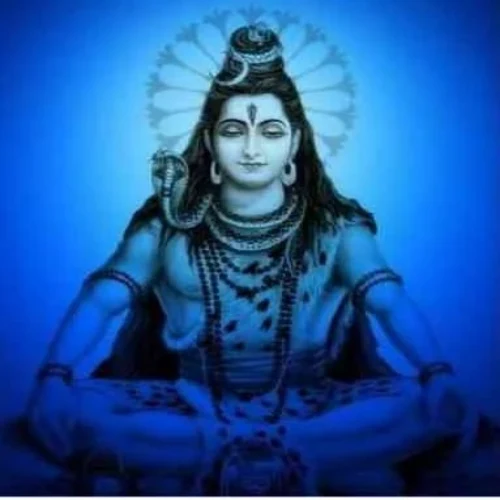
The Vrat (fast) of Sixteen Mondays dedicated to Lord Shiva is considered highly auspicious in Hinduism. This fast is primarily observed for fulfilling desires, removing obstacles related to marriage, and attaining happiness and prosperity in life.Importance of the Sixteen Monday Vrat
Monday is considered dear to Lord Shiva. Those who observe this fast with devotion and according to the rules have all their wishes fulfilled by the grace of Shiva. The effects of this fast remove obstacles in marriage, bring peace and harmony to the family, and provide mental peace. Unmarried girls observe this fast to find a suitable groom, and married women observe it for marital happiness.Procedure for the Sixteen Monday Vrat
Note: If for any reason the fast is interrupted, you can start again from the next Monday. The most important thing is faith and devotion.
- On the day of the fast, take a bath in the morning, wear clean clothes, and prepare for the worship of Lord Shiva.
- Perform Abhishek (ritual bathing) of the Shivling with Ganges water, milk, honey, curd, and water.
- Offer Bilva leaves, Datura flowers, white flowers, and fruits.
- Chant the mantra “Om Namah Shivaya” and light a lamp.
- Listen to the story of the fast and recite the Shiva Chalisa or Shiva Aarti.
- The fast is observed for 16 consecutive Mondays. It is considered auspicious to consume only fruits and avoid salt in the meal.
Story of the Sixteen Monday Vrat
Once, while wandering through the mortal realm accompanied by Goddess Parvati, Lord Mahadev arrived in the city of Amravati. The king of that city had built a temple dedicated to Lord Shiva, and Lord Shankar decided to stay there for a while.
One day, Parvati said to Shiva, "My Lord, come! Let us play a game of Chaupar today." The game began, and just at that moment, the temple priest arrived to perform the daily worship. Parvati asked him, "O Priest! Tell me, who will win this game?" He replied, "Lord Shankar." However, in the end, it was Parvati who emerged victorious. Angered by his false prediction, Parvati cursed the priest, condemning him to suffer from leprosy; instantly, the priest became a leper.Some time later, a group of celestial nymphs (Apsaras) arrived at the temple to offer their prayers. Upon seeing the priest, they asked him the cause of his affliction. The priest recounted the entire incident to them. The nymphs advised him, "O Priest! You must observe the 'Sixteen Mondays' fast (Solah Somvar Vrat). Lord Mahadev will surely alleviate your suffering." The priest, filled with eagerness, asked them to explain the proper procedure for observing this fast. The nymphs replied, "Observe a fast on Mondays. After performing your evening prayers, prepare Churma (a sweet dish made from crumbled bread) using half a seer of wheat flour. Fashion three small idols out of clay, and worship them using ghee, jaggery, lamps, sacred food offerings (Naivedya), and *Belpatra* (Bael leaves). Afterward, offer the Churma to Lord Shankar; then, regarding it as the sacred Prasad (blessed food), distribute it among others and partake of it yourself. Follow this ritual for sixteen consecutive Mondays. On the seventeenth Monday, prepare Churma using Bati (baked dough balls) made from five seers of wheat flour; offer it to the Lord, distribute it, and then partake of the Prasad together with your entire family. By doing so, Lord Shiva will fulfill all your heart's desires." Having spoken these words, the celestial nymphs ascended back to the heavens.The priest, having observed the fast according to the prescribed rituals, was cured of his ailment and resumed his duties of worship. Some time later, Lord Shiva and Goddess Parvati returned; seeing the priest in good health, Parvati inquired about the cause of his recovery. Acting upon the priest's advice, Parvati herself observed the fast; consequently, her displeased son, Kartikeya, became obedient to his mother once again. Kartikeya, in turn, asked Parvati what had caused his mind to become so devoted to her feet. Parvati revealed that it was the very same fast. Kartikeya, too, observed the fast, and as a result, he was reunited with a long-lost friend. That friend also inquired about the reason behind his good fortune. Upon being told, and desiring to find a suitable spouse, he too observed the fast according to the proper rituals. Consequently, he traveled to a foreign land where a Swayamvara (a ceremony for a princess to choose her husband) was being held for the King's daughter. The King had made a solemn vow that his daughter would be wed to whomever the royal elephant chose to garland. The young Brahmin, wishing merely to witness the Swayamvara, took a seat to one side. The elephant, however, placed the garland upon this very Brahmin youth. The wedding was celebrated with great pomp and grandeur, and thereafter, the couple lived together in perfect happiness.
One day, the princess asked, "My Lord! What virtuous deed did you perform that caused the royal elephant to choose you over all the princes?" The Brahmin explained to her, in detail, the proper method of observing the "Sixteen Mondays Fast" (*Solah Somvar Vrat*). The princess then observed this fast with the intention of begetting a virtuous son, and she was blessed with a son endowed with every noble quality. Upon reaching adulthood, the son asked his mother, "Mother! Through what virtuous deed was I granted to you?" The princess once again explained the proper procedure of the Sixteen Mondays Fast. The son, desiring to attain a kingdom, began to observe the fast himself. At that very moment, the King's envoys arrived and chose him as the groom for their own princess. The wedding was celebrated with great joy, and upon the passing of the King, the Brahmin youth ascended the throne. He continued to observe this sacred fast throughout his life.One day, he asked his wife to carry the worship materials to the Shiva temple; however, she sent them instead through her maids. When the King concluded his worship, a divine voice from the heavens proclaimed: "Cast this wife out, or else she will bring about your utter ruin." Obeying the Lord's command, he banished the Queen. Cursing her fate, the Queen made her way into the city to the home of an old woman. Taking pity on her destitute state, the old woman placed a bundle of yarn upon her head and sent her to the market; however, a sudden storm arose on the way, and the bundle was blown away. Scolding her severely, the old woman drove her away. From there, she reached the home of an oil-presser, but the moment she arrived, all the vessels in the house cracked; he, too, cast her out. When she went to the river to drink water, the river dried up. When she approached a lake, the water became infested with worms the instant her hand touched it; furthermore, any tree beneath which she sought rest after drinking that water would wither away. Witnessing the desolation that befell the forest and the lake, some cowherds led her to the *Gosain* (spiritual guide) of a nearby temple. Upon seeing her condition, the *Gosain* realized that she was a noble lady, now fallen victim to great misfortune. Offering her words of comfort and reassurance, he said, "My child, stay here at my hermitage; do not worry about anything." The Queen began living at the hermitage, yet whatever object her hand touched would instantly become infested with worms. Distressed by this, the *Gosain* asked her, "My child, due to an offense against which deity have you met with this fate?" The Queen replied, "I disobeyed my husband's command and failed to go and offer worship to Lord Mahadev." The *Gosain* then offered a prayer to Lord Shiva on her behalf. He then instructed her, "My child, you must observe the vow of the Sixteen Mondays."
The Queen completed the vow with due rites and rituals. Through the power of this vow, the King began to yearn for his wife's presence and dispatched messengers to search for her. Upon finding the Queen at the hermitage, the messengers returned to the King and informed him of her whereabouts. The King then went to the hermitage and addressed the Gosain: "O revered Master! This woman is my wife; I had cast her out because Lord Shiva was displeased with her. Now, by the grace of Lord Shiva, I have come to take her back. Please grant us permission to depart." The Gosain granted his permission, and the King and Queen returned to the city. The townspeople adorned the city, and musical instruments began to play. Auspicious chants resounded. By the grace of Lord Shiva, he began to observe the Solah Somvar (Sixteen Mondays) fast every year and lived a life of joy alongside his queen. Ultimately, he attained the abode of Lord Shiva. In this same manner, any person who observes the *Solah Somvar* fast with devotion and according to the prescribed rituals—and listens to this sacred narrative—shall have all their heart's desires fulfilled and shall, in the end, attain the divine realm of Lord Shiva.॥ Bolo shivashankar bhole naath kee jay .॥Practices to Follow During the Vrat (Fast)
- On Monday, perform Abhishekam (ritual bathing) of the Shivling with raw milk and water.
- Chant "Om Namah Shivaya" 108 times.
- Wear white or light-colored clothes.
- Donate food or milk to a poor person.
- Place a picture of Shiva and Parvati in the north direction of your home.
Auspicious Results of the Vrat
- All obstacles in marriage are removed.
- Love and devotion between husband and wife increase.
- One attains wealth, fame, and mental peace.
- All the devotee's endeavors are successful, and stability comes into their life.
Frequently Asked Questions (FAQ)
Is the Sixteen Mondays Vrat only for women?
No, this vrat can be observed by both men and women. Lord Shiva is compassionate towards all devotees.
What should be eaten during the vrat?
Eat fruits or food without salt. Observe the vrat with complete faith and self-control.
Can the vrat be started on any Monday?
Yes, you can start on any auspicious Monday, but the Mondays of the month of Shravan are considered especially auspicious.
May Shiva's grace always be upon you. Remember Shiva's name every Monday and attain peace and happiness in life.