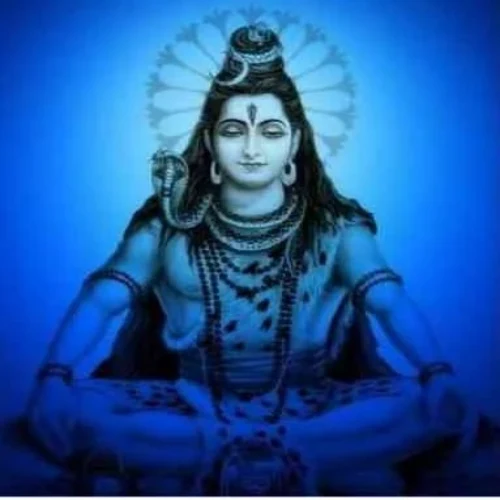
Shri Shiva Stotram Shat Namavali
Shri Shiva Stotram Shat Namavali is a collection of the 100 sacred and divine names of Lord Shiva. In Sanatan Dharma, Lord Shiva is known by many names such as Mahadev, Maheshwar, Rudra, Neelkanth, Bholenath, Pashupatinath, Trilochan, Vishwanath, and others. Each name signifies a specific aspect, attribute, power, or divine play (leela) of Lord Shiva.
Devotees recite these 100 names of Lord Shiva on occasions such as Mondays, the month of Shravan, Mahashivratri, Pradosh Vrat, and during daily Shiva worship. According to religious beliefs, remembering these names with faith and devotion fosters peace of mind, courage, detachment, self-confidence, and a deep sense of devotion towards Lord Shiva.
What is Shri Shiva Stotram Shat Namavali?
Shat Namavali signifies a garland of 100 sacred names. These 100 names of Lord Shiva describe His various forms and divine attributes. Each name reminds the spiritual seeker of a specific attribute of Shiva and inspires progress in the spiritual life.
Prominent names of Lord Shiva include—
Mahadev
Shankar
Rudra
Neelkanth
Trilochan
Pashupati
Vishwanath
Gangadhar
Chandrashekhar
Tripurantak
Umapati
Kailashpati
—among others, which are particularly renowned.
Significance of the 100 Names of Lord Shiva
Each name of Lord Shiva holds its own spiritual significance. For example—
Mahadev – The supreme among all deities.
Shankar – The benefactor; one who brings well-being.
Neelkanth – The one who consumed the poison from the Churning of the Ocean (Samudra Manthan).
Trilochan – The three-eyed one; the eyes symbolize knowledge and wisdom.
Pashupati – The Lord of all living beings.
Vishwanath – The Lord of the entire universe.
Gangadhar – The one who holds the River Ganga in his matted locks.
Chandrashekhar – The one who bears the moon upon his forehead.
Contemplating these names is not merely an act of worship but also an inspiration to embody Lord Shiva's ideals in one's own life.
Religious Significance of the Number 100
The number 100 symbolizes completeness, stability, and devotion. Reciting the 100 names of Lord Shiva constantly reminds the seeker of Shiva's divine attributes and focuses the mind upon the Divine.
Spiritual Benefits of Reciting the 100 Names of Lord Shiva (Shri Shiva Stotram Shat Namavali)
According to religious beliefs, reciting these names with faith and regularity can yield the following spiritual benefits—
- Devotion towards Lord Shiva deepens.
- It fosters inner peace and positive thoughts.
- It aids in meditation and concentration.
- It strengthens patience, courage, and self-confidence.
- It inspires one to control anger, ego, and negative thinking.
- It maintains happiness, peace, and a spiritual atmosphere within the family.
Important Note: The aforementioned benefits are based on religious and spiritual beliefs. They should not be considered a guarantee of any specific material, medical, or miraculous outcome.
When Should One Recite the 100 Names of Lord Shiva?
Reciting the 100 names of Lord Shiva is considered especially auspicious on the following occasions—
Every morning
Every Monday
During the month of Shravan (Sawan)
Mahashivratri
Monthly Shivratri
Pradosh Vrat
Mondays of Shravan
During meditation and Rudrabhishek
Method of Recitation
1. Bathing and Purification
Take a bath in the morning and wear clean clothes.
2. Worship Before the Shivling or an Idol of Lord Shiva
Light a lamp using ghee or sesame oil and offer incense.
3. Worship material
Belpatra
Ganga water
Akshat
Sandalwood
Bhasma
Dhatura
Aak flowers
White flowers
Fruits and Naivedya
4. Meditate
Meditate on the peaceful and compassionate form of Lord Shiva.
5. Recitation of Shat Namavali
Pronounce 100 names of Lord Shiva with devotion and concentration.
6. Aarti and Prayers
After completion of the recitation, perform Shiva Aarti and pray for the welfare of all living beings.
Shri Shiv Stotram Shat Namavali (100 names)
Om Shivay Namah ll
Om Maheshvaraya Namah ll
Om Shambhave Namah ll
Om Pinakine Namah ll
Om Shashishekharai Namah. ॥
Om Vamdevaya Namah ॥
Om Virupakshaya Namah ॥
Om Kapardine Namah ॥
Om Neelalohitaya Namah ॥
Om Shankaraya Namah ॥ 10 ॥
Om Shulpanaye Namah ॥
Om Khatwangine Namah ॥
Om Vishnuvallabhay Namah.
Om Shipivishtay Namah ॥
Om Ambikanathay Namah ॥
Om Shrikanthaya Namah ॥
Om Bhaktavatsalay Namah ॥
Om Bhavay Namah ॥
Om Sharvaya Namah ॥
Om Trilokeshaya Namah ॥ 20 ॥
Om Shitikanthay Namah ॥
Om Shivapriya Namah ॥
Om Ugraya Namah ॥
Om Kapalin Namah ॥
Om Kumaraye Namah ॥
Om Andhakasura Sudnaya Namah ॥
Om Gangadharaya Namah ॥
Om Lalatakshaya Namah ॥
Om Kaalkalay Namah ॥
Om Kripanidhaye Namah. 30 ॥
Om Bhimaya Namah ॥
Om Parshuhastaya Namah ॥
Om Mrigapaanaye Namah ॥
Om Jatadharaya Namah ॥
Om Ktelasvasine Namah ॥
Om Kavachine Namah ॥
Om Karshaya Namah ॥
Om Tripurantakaya Namah ॥
Om Vrishankay Namah ॥
Om Vrishabharudhay Namah ॥ 40 ॥
Om Bhasmodhoolit Vigrahay Namah ॥
Om Samapriya Namah ॥
Om Swarmayay Namah ॥
Om Trayimurtaye Namah ॥
Om Anishwaraya Namah ॥
Om Sarvagya Namah ॥
Om Paramatmane Namah ॥
Om Somsuryagni Lochanay Namah ॥
Om Havishe Namah ॥
Om Yajnamaya Namah ॥ 50 ॥
Om Somay Namah ॥
Om Panchvaktray Namah ॥
Om Sadashivaya Namah ॥
Om Visvesvaraya Namah ॥
Om Veerbhadraya Namah ॥
Om Ganathay Namah ॥
Om Prajapataye Namah ॥
Om Hiranyaretse Namah ॥
Om Durdharshay Namah ॥
Om Girishay Namah ॥ 60 ॥
Om Girishay Namah ॥
ॐ अनघाय नमः ॥
Om Bhujang Bhushanaya Namah ॥
Om Bhargaya Namah ॥
Om Giridhanvane Namah ॥
Om Giripriyaya Namah ॥
Om Krittivasse Namah ॥
Om Purarataye Namah ॥
Om Bhagwate Namah ॥
Om Pramadhadhipaya Namah ॥ 70 ॥
Om Mrityunjayaya Namah ॥
ॐ सुक्ष्मतन्वे नमः ॥
Om Jagadvyapine Namah ॥
Om Jagadgurve Namah ॥
Om Vyomakeshay Namah ॥
Om Mahasen Janakay Namah ॥
Om Charuvikramaya Namah ॥
Om Rudray Namah ॥
Om Bhootpataye Namah ॥
Om Sthanve Namah ॥ 80 ॥
Om Ahirbhuthnyaya Namah ॥
Om Digambaraya Namah ॥
Om Ashtamurtaye Namah ॥
Om Anekatmane Namah ॥
Om Swatvikaya Namah ॥
Om Shuddhavigharahay Namah ॥
Om Shashwataya Namah ॥
Om Khandaparashve Namah ॥
Om Ajay Namah ॥
Om Pashvimochakaya Namah ॥ 90 ॥
Om mridaya namah ॥
Om Pashupataye Namah ॥
Om Devaya Namah ॥
Om Mahadevaya Namah ॥
Om Avyaaya Namah ॥
Om Harye Namah ॥
Om Pushdantabhide Namah ॥
Om Avyagraaya Namah ॥
Om Dakshadhvarharaya Namah ॥
Om Haraya Namah ॥ 100 ॥
Om Bhagnetrabhide Namah ॥
Om Avyaktaya Namah ॥
Om Sahasrakshaya Namah ॥
Om Sahasrapade Namah ॥
Om Appargapradaya Namah ॥
Om Anantaya Namah ॥
Om Tarakay Namah ॥
Om Parmeshvaraya Namah ॥ 108 ॥
Principal Forms of Lord Shiva
Lord Shiva is worshipped in many divine forms, the most prominent of which are—
Mahadev
Rudra
Nataraja
Ardhanarishvara
Dakshinamurti
Bhairava
Pashupatinath
Vishwanath
Someshwara
Kedarnath
Omkareshwara
Mahakaleshwara
Each form conveys a unique spiritual message to devotees.
Spiritual Message of the 100 Names of Lord Shiva
The names of Lord Shiva teach us that—
Simplicity is greatness.
Renounce ego.
Adhere to truth and righteousness (Dharma).
Cultivate compassion and forgiveness.
Make self-reflection and meditation a part of life.
Respect nature and all living beings.
FAQ (Frequently Asked Questions)
1. What is the 'Shri Shiva Stotram Shat Namavali'?
It is a collection of 100 sacred names of Lord Shiva, recited during worship and spiritual practice.
2. Can the 100 names of Shiva be recited daily?
Yes, they can be recited daily or every Monday with devotion.
3. Can women also recite the Shiva Shat Namavali?
Yes, this list of names is suitable for all devotees.
4. On which day is the recitation of Shiv Shat Namavali considered especially fruitful?
It is considered to have special significance on Monday, Shravan month, Pradosh Vrat and Mahashivratri.
5. Are Shiv Shat Namavali and Shiv Ashtottara Shatnamavali different?
The order and number of names may differ in some texts, but the purpose of both is to remember and praise the divine names of Lord Shiva.
Shri Shiv Stotram Shat Namavaliis a sacred compilation of 100 divine names of Lord Shiva. Each name reminds of some special quality, power and compassionate nature of Mahadev. Devotion and regular recitation develop peace of mind, self-confidence, devotion and spiritual awareness. Chanting these holy names of Lord Shiva is not only a part of worship, but also an inspiration to live a life of truth, simplicity, sacrifice and welfare.
Related Shiva Mantras and Stotras
- Shiv Sahasranama Stotra
- Shiva Ashtottara Shatnamavali (108 names)
- Shiv Panchakshari Stotra
- Mahamrityunjaya Mantra
- Om Namah Shivay Mantra
- Rudrashtakam
- Shiv Tandav Stotra
- Lingastakam
- Kalabhairav Ashtakam
- Nirvana Shatakam (Self Shatakam)
- Shiv Chalisa
- Rudra Gayatri Mantra