Panchang Horoscope Numerology Bhakti Ka Marg Festivals Love Calculator
mantra

Kamal Netra Stotram | Shiva Stotram

6 min read
Kamal Netra Stotram | Shiva Stotram

The Kamal Netra Stotram is a sacred and devotional hymn dedicated to Lord Shiva. It beautifully describes Lord Shiva’s compassionate, auspicious, and devotee-loving nature. "Kamal Netra" refers to Lord Shiva, whose eyes are tender, pure, and filled with compassion, resembling the lotus flower.

According to religious traditions, reciting the Kamal Netra Stotram with faith and devotion fosters devotion to Shiva, self-confidence, inner peace, and spiritual consciousness in the seeker. This hymn is considered an excellent means to attain Lord Shiva's grace and to meditate upon His divine form.

Note: Various versions of the Kamal Netra Stotram may exist across different traditions. If you follow a specific scripture or tradition, please use that authentic text.


What is the Kamal Netra Stotram?

The Kamal Netra Stotram is a Sanskrit hymn composed in praise of Lord Shiva. It glorifies Lord Shiva’s gentle, benevolent, and world-sustaining nature. This hymn connects the seeker with feelings of reverence, surrender, and devotion towards Lord Shiva.

"Kamal Netra" symbolizes those divine eyes of Lord Shiva that convey messages of compassion, wisdom, and equanimity. In this hymn, Shiva is remembered not merely as the Destroyer, but also as the Sustainer of the universe, the Bestower of knowledge, and the Giver of liberation (Moksha).


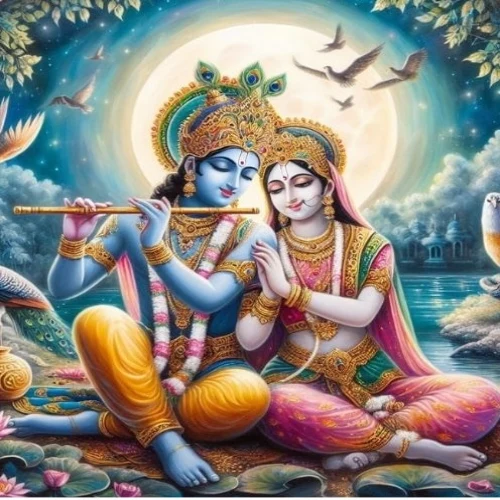
Kamal Netra Stotram

Shri Kamal Netr Kati Peetambar,
Adhar Murali Giradharam ।
Mukut Kundal Kar Lakutiya,
Sanware Radhevaram ॥ 1 ॥

Kul Yamuna Dhenu Aage,
Sakal Gopayan Ke Man Haram ।
Peet Vastr Garud Vahan,
Charan Sukh Nit Sagaram ॥ 2 ॥

Karat Kel Kalol Nish Din,
Kunj Bhavan Ujagaram ।
Ajar Amar Adol Nishchal,
Purushottam Apara Param ॥ 3 ॥

Deenanath Dayal Giridhar,
Kans Hiranakush Haranam ।
Gal Phool Bhal Vishal Lochan,
Adhik Sundar Keshavam ॥ 4 ॥

Banshidhar Vasudev Chhiya,
Bali Chhalyo Shri Vamanam ।
Jab Doobte Gaj Rakh Linon,
Lank Chhedyo Ravnam .5.

Sapt Deep Navakhand Chaudah,
Bhavan Keenon Ek Padam ।
Dropadi Ki Laaj Rakhi,
Kahan Lau Upma Karam ॥ 6 ॥

Deenanath Dayal Puran,
Karuna May Karuna Karam ।
Kavittadas Vilas Nishdin,
Naam Jap Nit Nagaram ॥ 7 ॥

Pratham Guru Ke Charan Bandon,
Yasy Gyan Prakashitam ।
Aadi Vishnu Jugadi Brahma,
Sevite Shiv Sankaram ॥ 8 ॥

Shrikrshn Keshav Krshn Keshav,
Krshn Yadupati Keshavam ।
Shriram Raghuvar, Ram Raghuvar,
Ram Raghuvar Raghavam ॥ 9 ॥

Shriram Krshn Govind Madhav,
Vasudev Shri Vamanam ।
Machchh-kachchh Varah Narasinh,
Paahi Raghupati Pavanam ॥ 10 ॥

Mathura Mein Keshavray Viraje,
Gokul Bal Mukund Ji ।
Shri Vrndavan Mein Madan Mohan,
Gopinath Govind Ji ॥ 11 ॥

Dhany Mathura Dhany Gokul,
Jahan Shri Pati Avtare ।
Dhany Yamuna Neer Nirmal,
Gwal Baal Sakhavare ॥ 12 ॥

Navneet Nagar Karat Nirantar,
Shiv Viranchi Man Mohitam ।
Kalindi Tat Karat Krida,
Baal Adabhut Sundaram .13.

Gwal Baal Sab Sakha Viraje,
Sang Radhe Bhamini ।
Banshi Vat Tat Nikat Yamuna,
Murali Ki Ter Suhavani ॥ 14 ॥

Bhaj Raghavesh Raghuvansh Uttam,
Param Rajkumar Ji ।
Sita Ke Pati Bhaktan Ke Gati,
Jagat Pran Aadhar Ji ॥ 15 ॥

Janak Raja Panak Rakhi,
Dhanush Baan Chadhavahin ।
Sati Sita Naam Jake,
Shri Ramchandr Pranamahin ॥ 16 ॥

Janm Mathura Khel Gokul,
Nand Ke Hradi Nandanam ।
Baal Leela Patit Pavan,
Devki Vasudevakam ॥ 17 ॥

Shrikrshn Kalimal Haran Jake,
Jo Bhaje Haricharan Ko ।
Bhakti Apni Dev Madhav,
Bhavsagar Ke Taran Ko ॥ 18 ॥

Jagannath Jagdeesh Swami,
Shri Badreenaath Vishwambharam ।
Dvaarika Ke Naath Shri Pati,
Keshavan Pranamaamyaham ॥ 19 ॥

Shrikrshn Ashtapadapadhatanishadin,
Vishnu Lok Sagachchhatam ।
Shriguru Ramanand Avtar Swami,
Kavidatt Daas Samaptatam ॥ 20 ॥

Significance of the Kamal Netra Stotram

In Sanatan Dharma, Lord Shiva is worshipped under various names such as Adiyogi, Mahadev, Rudra, Shambhu, Neelkanth, and Pashupatinath.

The *Kamal Netra Stotram* inspires spiritual progress in the devotee by evoking the memory of these divine forms.

This hymn, in particular—

  • Facilitates meditation on the compassionate form of Lord Shiva.

  • Strengthens the spirit of devotion and self-surrender.

  • Is considered helpful in calming and focusing the mind.

  • Serves as an ideal hymn for Shiva *Sadhana* (spiritual practice) and meditation.


The Spiritual Significance of "Kamal Netra"

In Indian culture, the "Lotus" (*Kamal*) symbolizes purity, serenity, and spiritual awakening. "Netra" (Eye) signifies not merely physical sight, but divine vision and wisdom.

Thus, Kamal Netra represents that aspect of Lord Shiva which—

  • Views all beings with an equal eye.

  • Dispels ignorance and bestows the light of knowledge.

  • Maintains a benevolent, graceful gaze upon devotees.

  • Embodies an ocean of compassion and forgiveness.


Spiritual Benefits of the *Kamal Netra Stotram*

According to religious and spiritual beliefs, reciting it with faith—

  1. Increases devotion and reverence towards Lord Shiva.
  2. Fosters inner peace and the flow of positive thoughts.
  3. Aids in meditation and concentration.
  4. Develops self-confidence and patience.
  5. Provides inspiration to face life's difficult situations.
  6. Paves the way for introspection and spiritual advancement.

Important Note: The benefits mentioned above are based on religious and spiritual beliefs. These should not be considered as a guarantee of any kind of definite physical, financial or medical result.


When to recite Kamal Netra Stotram?

Recitation of Kamal Netra Stotram is considered especially auspicious on the following occasions –

  • Every morning

  • Monday

  • Shravan (Saavan). Month

  • Mahashivratri

  • Pradosh Vrat

  • Monthly Shivratri

  • At the time of Rudrabhishek

  • Before meditation and chanting


How to recite Lotus Netra Stotram?

1. Bathing and purity

Take bath in the morning and wear clean clothes.

2. Worship of Lord Shiva

Light a lamp and incense in front of Shivling or the idol of Lord Shiva.

3. Worship material

  • Belpatra

  • Ganges water

  • Sandalwood

  • Bhasma

  • Dhatura

  • White flowers

  • Akshat

  • Naivedya

4. Meditation

Meditate on the lotus-like compassionate eyes of Lord Shiva.

5. Recitation of the Stotram

Recite the Lotus Netra Stotram with devotion, clear pronunciation and concentrated mind.

6. Conclusion

Finally, perform the Aarti of Lord Shiva and pray for the welfare of all living beings.


Education from Kamal Netra Stotram

Kamal Netra Stotram teaches us that—

  • The grace of God gives the right direction to life.

  • Compassion, forgiveness and humility are great virtues.

  • Mental peace is achieved through introspection and meditation.

  • Dedication to Lord Shiva gives spiritual strength.

  • The path of truth, religion and service makes life meaningful.


FAQ (Frequently Asked Questions)

1. What is Kamal Netra Stotram dedicated to?

Kamal Netra Stotram is a sacred stotram dedicated to Lord Shiva.

2. When should Kamal Netra Stotram be recited?

Every day Reciting it during the morning hours, on Mondays, during the month of Shravan, on Pradosh Vrat, and on Mahashivratri is considered especially auspicious.

3. Can women also recite it?

Yes, this Stotram is suitable for all devotees.

4. Can the Kamal Netra Stotram be recited at home?

Yes, it can be recited at home in a clean environment and with devotion.

5. Can this Stotram be recited before meditation?

Yes, this Stotram is considered helpful in focusing the mind before meditation and Shiva Sadhana (spiritual practice).


Kamal Netra Stotram is a divine hymn that praises the compassion, wisdom, and benevolent nature of Lord Shiva. It inspires the devotee towards reverence, surrender, and inner peace regarding Lord Shiva. Regular and devout recitation is believed to foster positivity, patience, and spiritual awareness within the seeker.


Related Shiva Mantras and Stotras

Add internal links to the following articles on your page—

  • Shiva Mahimna Stotram

  • Shiva Tandava Stotram

  • Shiva Panchakshari Stotram

  • Mahamrityunjaya Mantra

  • Om Namah Shivaya

  • Rudrashtakam

  • Lingashtakam

  • Nirvana Shatkam

  • Shiva Sahasranama Stotram

  • Shiva Shata Namavali

  • Kalabhairava Ashtakam

  • Shiva Chalisa