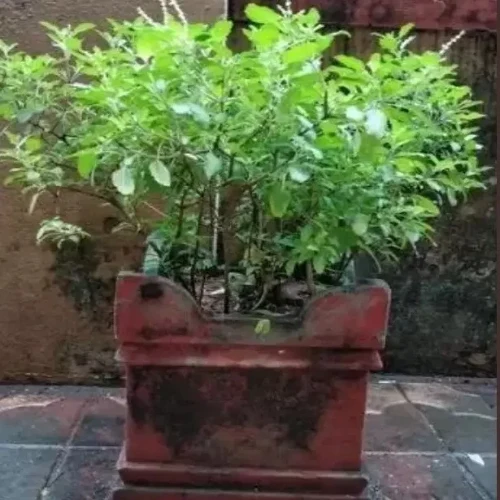
Maa Tulsi Ashtottara Shatanamavali
Maa Tulsi Ashtottara Shatanamavali (Tulsi Ashtottara Shatanamavali) is a collection of 108 holy and divine names of Tulsi Mata. In Sanatan Dharma, Tulsi is not just a plant but is considered to be the form of Goddess Vrinda, the favorite of Lord Vishnu. According to religious traditions, reciting the 108 names of Tulsi with devotion brings devotion, purity, positivity and spiritual peace in the mind.
The 108 names of Tulsi Mata are recited especially at the time of Tulsi Vivah, Devuthani Ekadashi, Kartik month, Ekadashi, Thursday, Friday and daily Vishnu-Lakshmi puja.
What is Maa Tulsi Ashtottara Shatnam Namawali? Is it?
Ashtottara Shatnamavalimeans a collection of 108 holy names.
Each name of Maa Tulsi describes some of her special form, qualities, power and divinity. While chanting these names, devotees bow to Tulsi Mata and pray to get the blessings of Lord Vishnu.
Tulsi is worshiped in the scriptures. In –
- Vrinda
- Vishnupriya
- Haripriya
- Krishnajivani
- Pavitra
- Punyada
- Mokshaprada
- Bhaktavatsala
etc. It has been addressed by many names.
Religious significance of number 108
In Sanatan Dharma The number 108 is considered very sacred. It symbolizes completeness, spiritual practice, and a connection with the Divine.
Significance of the number 108—
- A prayer rosary (Japamala) consists of 108 beads.
- The 108 names of various deities are recited.
- The number 108 holds special significance in Yoga and meditation.
- In the Vedic tradition, it is considered an auspicious and spiritual number.
Religious Significance of Mother Tulsi
In Sanatan Dharma, Mother Tulsi is considered dear to Lord Vishnu. A Tulsi plant is established in almost every Vaishnava household and worshipped daily.
According to religious beliefs—
- Worship of Lord Vishnu is not considered complete without offering Tulsi leaves.
- Tulsi is regarded as a symbol of purity and a positive atmosphere within the home.
- The Tulsi Vivah (ceremonial marriage of Tulsi) holds special religious importance.
- Worshipping Tulsi during the month of Kartik is considered extremely auspicious.
Significance of the 108 Names of Mother Tulsi
Each name of Mother Tulsi describes one of her divine attributes.
For instance—
- Vrinda – One with a divine form.
- Vishnupriya – Beloved of Lord Vishnu.
- Haripriya – Beloved of Sri Hari.
- Punyada – Bestower of merit/virtue.
- Mokshaprada – Bestower of liberation (Moksha).
- Bhaktavatsala – Affectionate towards devotees.
Recalling these names strengthens feelings of reverence, devotion, and righteousness in the devotee's mind.
Spiritual Benefits of Reciting the 108 Names of Mother Tulsi
According to religious beliefs, reciting them with devotion can yield the following spiritual benefits—
1. Devotion towards Lord Vishnu increases.
2. Peace and positive energy permeate the mind.
3. A religious atmosphere and a sense of spirituality are strengthened in the home.
4. The feeling of love, harmony and prosperity develops in the family.
5. One gets inspiration for regular worship and chanting.
6. A feeling of gratitude, service and humility arises in the mind.
Important information:The above mentioned benefits are based on religious and spiritual beliefs. These should not be considered as a guarantee of any definite physical or miraculous result.
When to recite Maa Tulsi Ashtottara Shatnamavali?
Recitation of these 108 names is considered especially auspicious on the following occasions –
- Every morning
- Ekadashi
- Devuthani Ekadashi
- Tulsi marriage
- Kartika. Month
- Thursday
- Friday
- Shri Vishnu and Lakshmi Puja
- Vaishnav Festival
Method of recitation of Maa Tulsi Ashtottara Shatnamavali
1. Bathing and purity
Take bath in the morning and wear clean clothes.
2. Tulsi Puja
Light a lamp in front of Tulsi Mata plant and offer water.
3. Worship material
- Water
- Lamp
- Dhoop
- Flowers
- Roli
- Akshat
- Mauli
- Naivedya
4. Meditate
Meditate on Mother Tulsi and Lord Shri Hari Vishnu.
5. Recitation of Namavali
Recite 108 names of Tulsi Mata with devotion and concentration.
6. Aarti and Prayers
After completion of the recitation, perform the Aarti of Tulsi Mata and bow to Lord Vishnu.
Maa Tulsi Ashtottara Shatnamawali (108 names)
Here add all the 108 names of your "Maa Tulsi Ashtottara Shatnamawali" sequentially.
Om Shree Tulsyayi Namah. Om Nandinyai Namah. Om Devyai Namah. Om Shikhinyai Namah. Om Dharinyai Namah. Om Dhaatriyai Namah. Om Savitriyai Namah. Om Satyasandhayai Namah. 10 ॥ . Om Manyayai Namah. Om Gauriyai Namah ॥ 20 II Namah. 30 ll. . Om Kulayai Namah. Om Shriyai Namah ॥ 40. Namah. Om Pitambarayai Namah. Om Prot Somayai Namah. 50 ॥ Om Saurasayai Namah. . Om Suvasnayai Namah. Om Varadaayai Namah ॥ 60. Daanpradayai Namah. Om Dhanavatyai Namah. Om Sochyamanasaayi Namah. 70 ll Om Shuchinyai Namah. Namah. Om Swarginyai Namah. Om Gadayai Namah. 80. ॥ . Om Shreyovatyai Namah. Om Yamayai Namah ॥ 90 ॥ Om Brahmpriyayi Namah. ॥ ॥ Namah ॥ 108 ॥
Importance of worshiping Mother Tulsi
The worship of Mother Tulsi is not only a religious tradition but also gives the message of respect for nature. Tulsi plant is considered a symbol of purity, environmental protection and spiritual life in Indian culture.
Tulsi teaches us that respecting both nature and God is an important religion of life.
FAQ (Frequently Asked Questions)
1. What is Maa Tulsi Ashtottara Shatnamavali?
It is a collection of 108 holy names of Tulsi Mata, which are recited in worship and sadhana.
2. When should the 108 names of Tulsi be recited?
Daily, especially on Ekadashi, Kartik month, Tulsi Vivah and Devuthani Ekadashi.
3. Can women also recite it?
Yes, this Namavali is suitable for all devotees.
4. Can Tulsi puja be done without Vishnu puja?
Yes, Tulsi Mata can be worshiped independently. Besides, his worship along with Lord Vishnu is also considered to have special significance.
5. What is the purpose of reading 108 names of Tulsi?
Recollection of the divine qualities of Mother Tulsi, devotion to Lord Vishnu and strengthening of spiritual life.
Mata Tulsi Ashtottara Shatnam Namawaliis not just a collection of 108 names, but a divine path of devotion, purity, service and dedication to Lord Vishnu. Each name reminds of a specific form and quality of Tulsi Mata. Recitation of these names with devotion and regularity develops a feeling of peace, positivity and spiritual progress in the mind.
Related Mantras and Stotras
You can add internal links to the following pages from this page—
- Tulsi Aarti
- Tulsi Vivah
- Tulsi Puja Vidhi
- Devuthani Ekadashi
- Ekadashi Vrat Katha